AI & Tech Updates: Siri AI, Gemini Voice, Agentic Commerce & More
Estimated reading time: 5 minutesutes

Category: Newsletter

As election season keeps us on our toes, it’s a great time to stay informed on the latest digital breakthroughs shaping the industry. From bold AI advancements to fresh ad options, this issue dives into the tools redefining our digital landscape.
Here’s what’s trending:
As always, we’re here to keep you ahead of the curve with insights that matter. Ready to get started? Let’s dig in and explore what’s making waves this month!

Quick Overview
During election night, Perplexity AI stood out as a reliable, real-time source of election data, outshining other chatbots.
Offering live updates, interactive maps, and verified insights, Perplexity proved that AI-powered platforms can compete in delivering timely, critical information.
Key Details
Why It Matters
Perplexity’s success signals a shift in AI search tools toward real-time, event-based information, positioning AI as a new competitor to traditional news sources.
For businesses and brands, this evolution opens opportunities to integrate AI-driven insights into their digital strategies, leveraging real-time data to stay relevant and responsive in today’s fast-paced information landscape.
Quick Overview
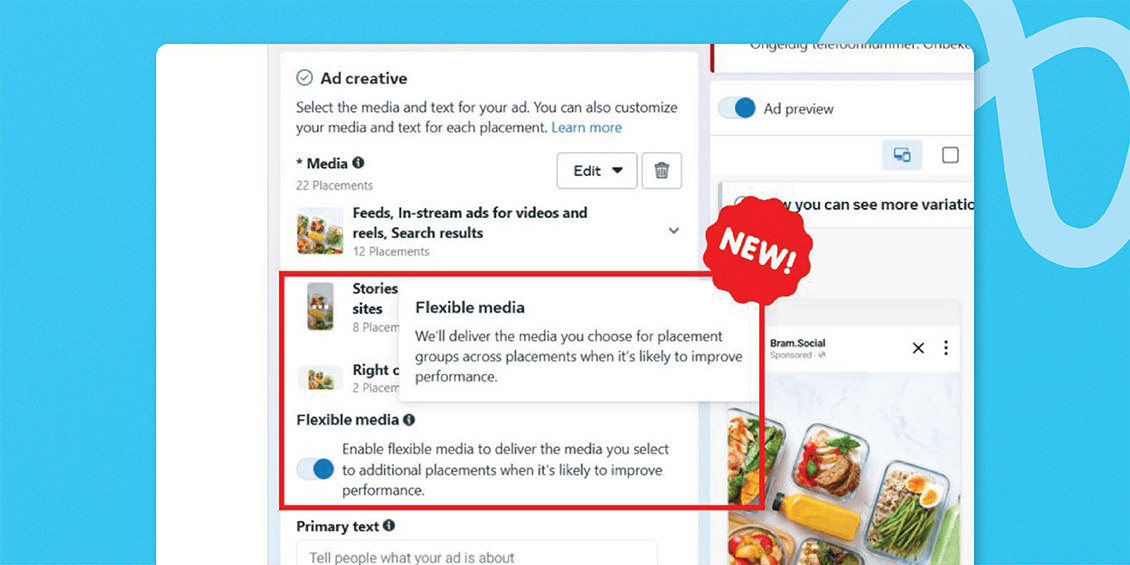
Meta has launched “Flexible Media,” a new ad feature that allows its AI-driven system to automatically adjust ad creatives for different placements and audiences.
This flexible display approach aims to maximize performance by adapting visuals to user engagement trends.
Key Details
Why It Matters
Meta’s increasing focus on automated, AI-driven advertising highlights the trend toward data-backed, adaptive ad experiences.
At TechArk, we see this as a powerful tool for brands seeking streamlined, data-driven ad strategies that resonate with diverse audiences across Meta’s platforms.
Quick Overview
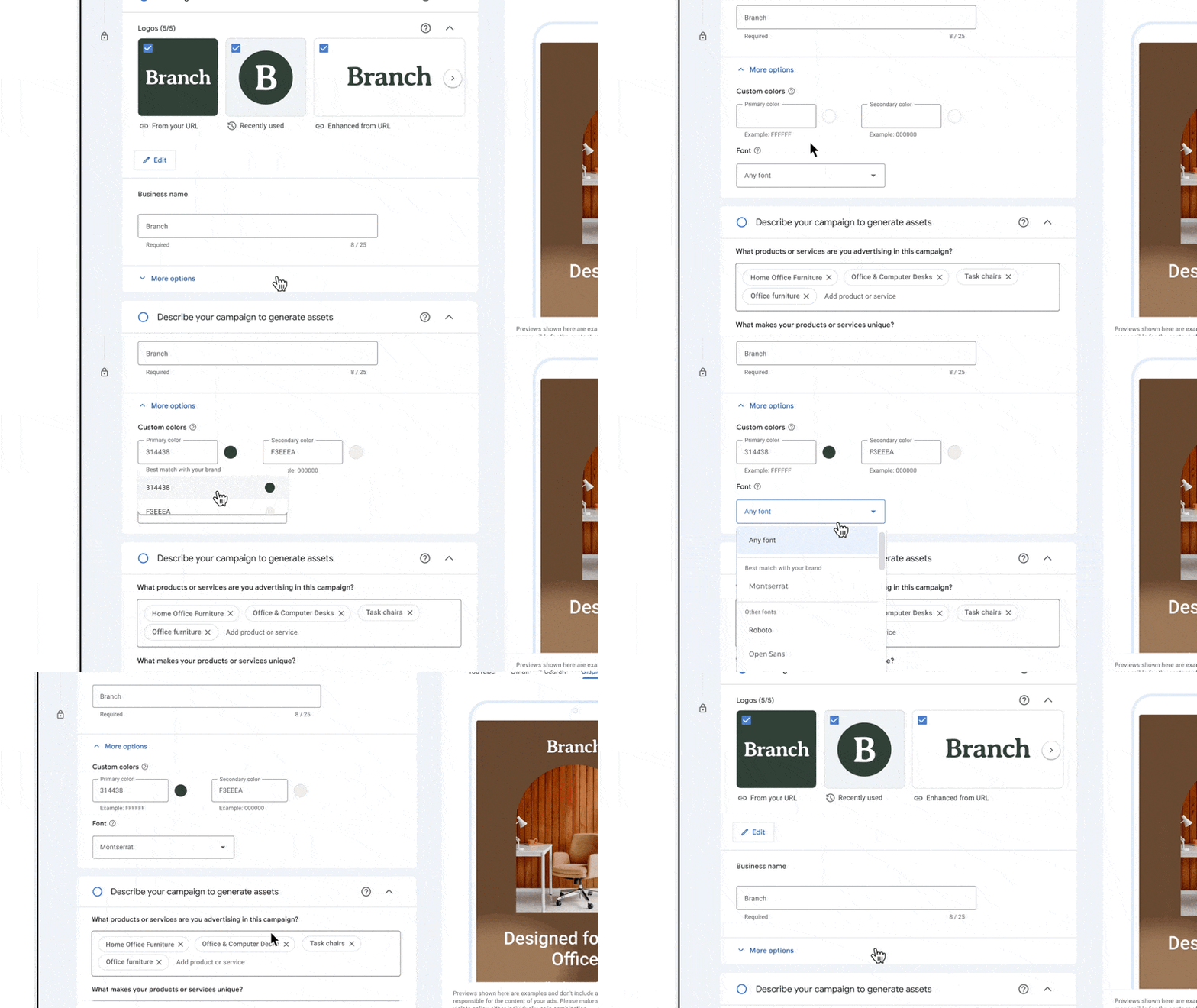
Google Ads is enhancing its Performance Max campaigns with new brand customization options, allowing advertisers to integrate brand elements like logos, fonts, and colors directly into their ads.
This feature offers more control over how brands appear across Google’s ad network, ensuring a consistent look and feel.
Key Details
Why It Matters
These customization options empower brands to present a more unified identity across Google’s placements, boosting recognition and trust.
At TechArk, we see this as a valuable upgrade for brands focused on maintaining consistent visual branding in their digital campaigns.
Quick Overview
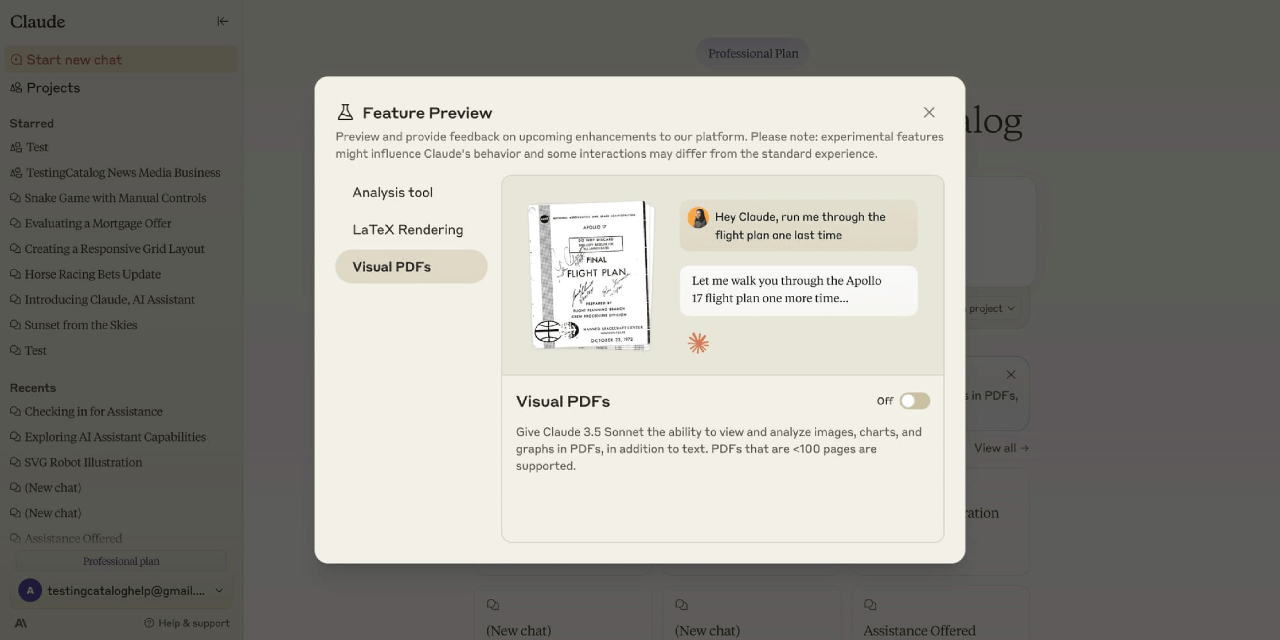
Anthropic’s Claude 3.5 has introduced a new Visual PDF analysis feature, allowing users to upload PDFs and receive insights on both text and visual elements like charts and images.
This update provides a powerful new tool for users needing to interpret complex documents in detail.
Key Details
Why It Matters
Claude’s new PDF capabilities showcase how AI is advancing document analysis, offering streamlined support for businesses that handle data-heavy documents.
At TechArk, we see this as a valuable tool for professionals looking to optimize time and accuracy in document processing.
💬 OpenAI has acquired the high-profile domain chat.com, which now redirects users to ChatGPT. Originally purchased for $15.5 million by HubSpot’s CTO, OpenAI’s acquisition aligns with its subtle shift away from the “GPT” branding.
🗓️ Drupal has announced that Drupal 7 will reach its official end of life on January 5, 2025, ending security updates and support. Organizations still using Drupal 7 are encouraged to upgrade to newer versions to avoid security risks.
Sharing is Delightful ✨
Thank you for joining us for another edition of Delightful Digest!
We hope these insights inspire new ideas and strategies to elevate your digital game. If you found this edition valuable, don’t keep it to yourself—share it with your network, because knowledge grows best when shared.