🎉 High Fives All Around! TechArk Named Inc. 5000 Fastest-Growing Company for 5th Time! – Learn More


Send Us a Message

Need expertise and innovation on your project? Our team can help.

    * This site is protected by reCAPTCHA and the Google Privacy Policy and Terms of Service apply. By submitting this form, you agree that TechArk may send you promotional emails about our products and services. You can unsubscribe at any time, free of charge. View our Privacy Policy.

    In this edition of the Delightful Digest, we dive into the latest trends and innovations shaping the digital landscape.

    First, we explore SEMrush’s AI Visibility Index, a groundbreaking tool that benchmarks brand visibility across AI search platforms like ChatGPT and Google AI Mode. This index helps marketers navigate the evolving world of “AI SEO” by showing where their brands are being discovered and cited.

    We then look at the exciting new features for YouTube creators unveiled at MadeOn 2025, which empower creators with tools like animated images, stylized edits, and generative AI for video creation.

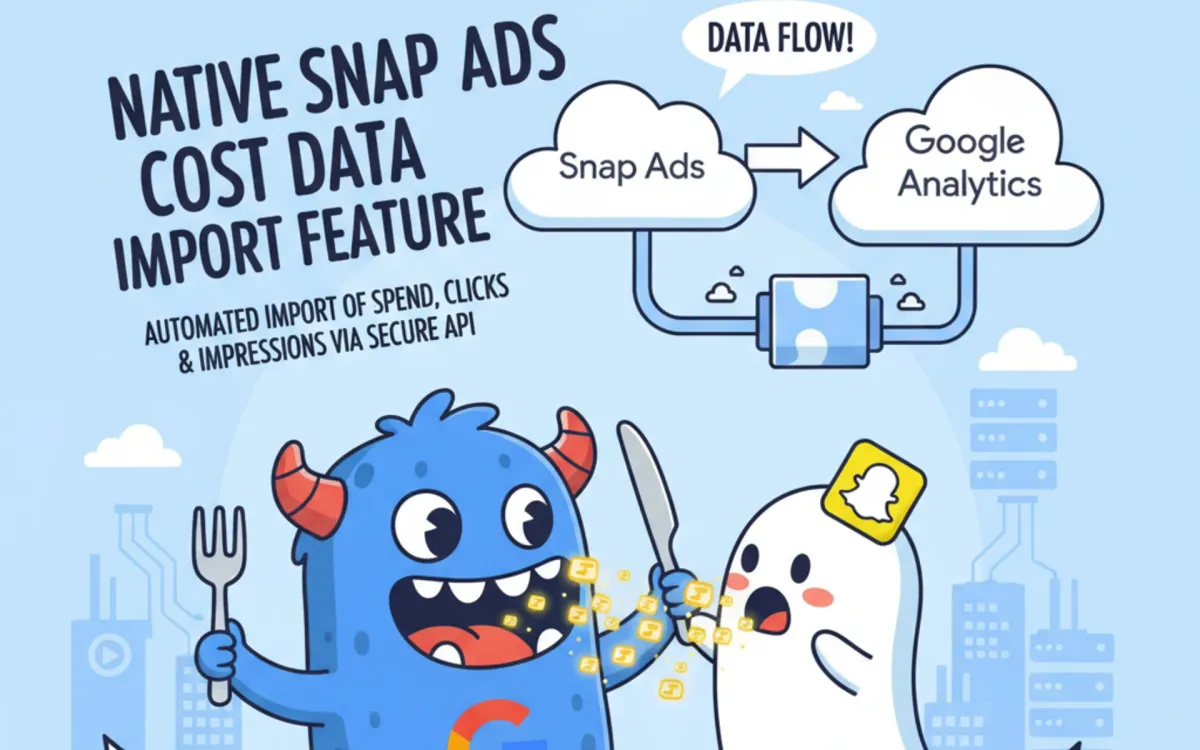
    Lastly, we highlight Google Analytics’ new ad platform integrations, including the ability to track Snapchat and Reddit ad costs directly within GA4, enabling more seamless cross-channel ad spend and ROI analysis.
    SEMrush AI Visibility Index

    Image Source: Semrush

    The SEMrush AI Visibility Index is an innovative tool designed to track and measure the visibility of websites based on AI-driven algorithms. The index offers a data-driven approach to help digital marketers and businesses understand their online presence and search engine performance. By leveraging machine learning, the Visibility Index provides real-time insights into how well a website ranks on search engines like Google and how it performs relative to its competitors.

    With SEMrush’s AI Visibility Index, marketers can:

    • Measure SEO Performance: Track keyword rankings, organic traffic, and page authority using advanced AI.
    • Understand Trends: Get predictions and insights into search trends, helping to stay ahead of algorithm changes and shifting user behavior.
    • Benchmark Competitors: Compare your website’s visibility to competitors in your niche, and identify opportunities for growth and improvement.
    • Predict SEO Impact: Use AI-powered forecasts to predict how changes in SEO strategies will affect visibility and traffic.

    The incorporation of artificial intelligence into the Visibility Index helps businesses make smarter, data-backed decisions, positioning them for better performance on search engine results pages (SERPs).
    YouTube Creator features unveiled at MadeOn 2025

    alt_YouTube Creator features unveiled at MadeOn 2025
    Image Source: Social Media Today

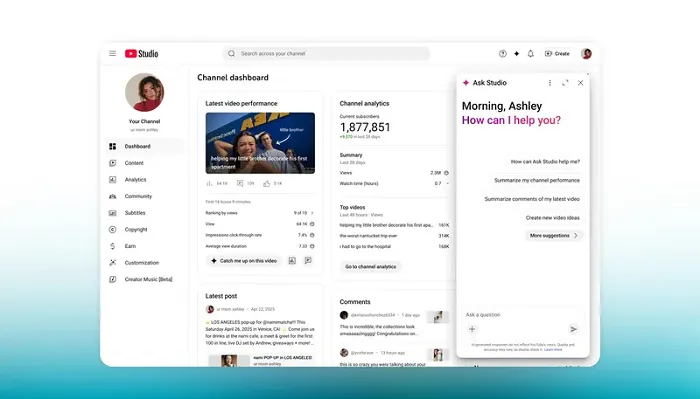
    YouTube has always been at the forefront of empowering creators, and at the MadeOn 2025 conference, the company took things to the next level by unveiling new tools and features designed to help creators produce, grow, and monetize their content more effectively.

    Key features introduced include:

    • AI-Powered Video Editing Tools: Creators can now harness AI to automate basic editing tasks like cutting, color correction, and even content suggestions. This makes content production faster and more accessible for creators with varying levels of experience.
    • Monetization Enhancements: YouTube expanded its monetization options with a new, comprehensive ad system that blends seamlessly with YouTube Shorts. Creators can now benefit from an increased revenue share from both long-form and short-form content.
    • Collaborative Features: YouTube introduced a feature that allows creators to collaborate on content in real-time, even if they are in different locations. The new platform integration enables joint streams, content sharing, and even shared community posts.
    • AI-Driven Content Discovery: YouTube has rolled out an enhanced AI recommendation engine that better understands viewer preferences. This helps creators get their content discovered by the right audiences, even outside their subscriber base.
    • Creator Economy Analytics: A new suite of analytical tools enables creators to track and optimize revenue growth, audience engagement, and content performance more easily.

    These new features are designed to streamline the content creation process, provide more opportunities for revenue generation, and improve audience engagement. With the continued rise of YouTube Shorts, creators now have a more holistic platform to engage with viewers across all content types.
    Google Analytics | New ad platform integrations

    alt_Google Analytics | New ad platform integrations
    Image Source: PPC Land

    Google Analytics has evolved into a more robust tool with new ad platform integrations that aim to offer marketers deeper insights into campaign performance. With these new updates, users can now seamlessly connect their Google Analytics accounts to various advertising platforms, gaining more comprehensive data for optimization.

    Key updates include:

    • Integrated Google Ads Reporting: Direct integration with Google Ads allows marketers to see performance data for both paid search and organic traffic in one place. This unified view helps businesses understand how paid campaigns contribute to organic traffic growth, enabling more effective budget allocation.
    • Third-Party Ad Platform Support: Google Analytics has expanded its capabilities to support third-party ad platforms like Facebook, LinkedIn, and Twitter. Marketers can now pull in data from all their advertising sources, creating a 360-degree view of ad performance across different channels.
    • Cross-Channel Attribution Models: With the new integration, businesses can take advantage of advanced attribution models that track the full customer journey across multiple platforms. This ensures that the right credit is given to the right touchpoints, helping marketers fine-tune their strategy.
    • Enhanced Ecommerce Integration: For ecommerce businesses, Google Analytics now allows for deeper integrations with ad platforms to better track ROI, customer behavior, and conversion data. This helps retailers understand how their advertising efforts influence sales.
    • Audience Segmentation for Retargeting: Google Analytics now allows for more granular audience segmentation based on behavior and demographic data. These segments can then be pushed directly to ad platforms like Google Ads or Facebook Ads for more effective retargeting campaigns.

    These new integrations make it easier for marketers to track and optimize their advertising efforts across multiple channels, resulting in a more cohesive and data-driven approach to digital marketing.

    These developments highlight the continuous evolution of marketing and analytics tools, empowering both creators and businesses to enhance their online presence, drive growth, and make smarter, data-driven decisions.

    Until next time—stay curious, build boldly, and keep pushing what’s possible. 🚀