
AI & Tech Updates: Siri AI, Gemini Voice, Agentic Commerce & More
Estimated reading time: 5 minutesutes

Category: Newsletter
This week, the digital landscape is all about clarity and control — from major platform updates to new tools that help marketers, developers, and business owners stay one step ahead. Whether you’re navigating Meta’s new ad branding presets or prepping for Apple’s SDK submission deadline, the theme is the same: stay current, stay optimized.
We’re covering the updates that matter most — with a spotlight on small business strategy, smarter analytics, and what’s next for the Node.js ecosystem.
Here’s what’s inside:
From small business insights to backend essentials, this week’s roundup is your edge in a rapidly evolving tech world.
Quick Overview
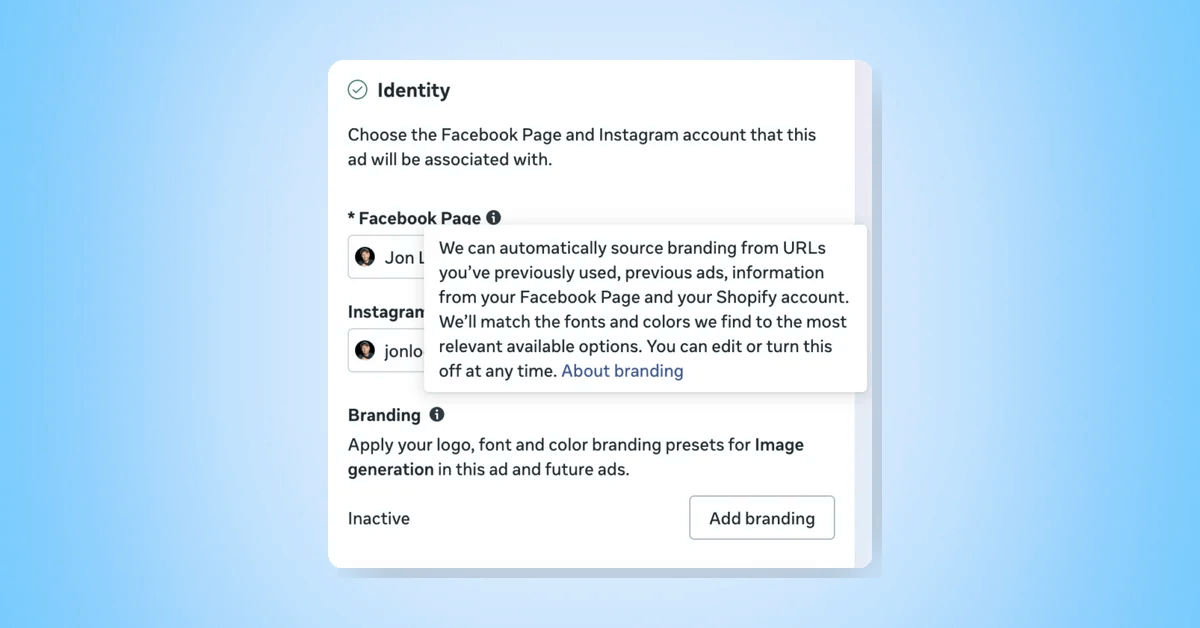
Meta has introduced a new branding feature in Ads Manager that gives advertisers more visual control over their campaigns. Businesses can now define logos, fonts, and brand colors that carry across ad variations — even in AI-generated content.
Key Details
Why It Matters
This update offers a major upgrade for brand consistency, especially for teams producing high volumes of ad variations. While customization is still somewhat limited (like logo placement), Meta’s move toward more branded automation reduces the risk of off-brand creative — and sets the stage for more sophisticated AI-powered design tools ahead.
Quick Overview
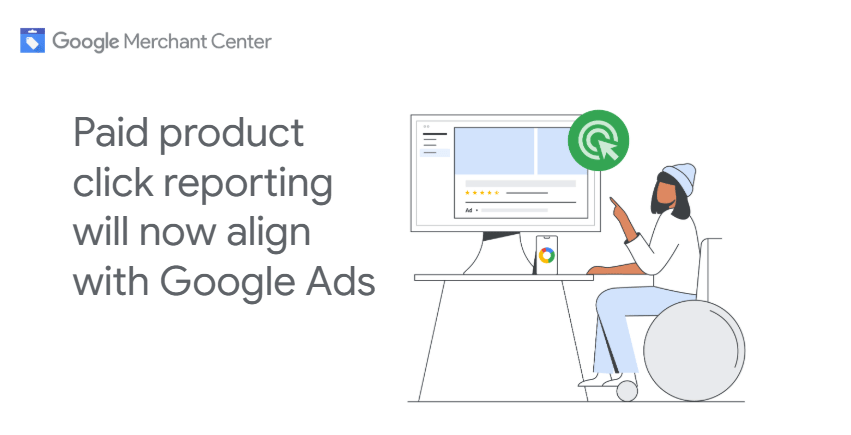
Starting April 21, 2025, Google will update how it reports product clicks in Merchant Center — aligning it with the click definitions used in Google Ads. This move aims to standardize metrics across platforms and reflect evolving ad formats.
Key Details
Why It Matters
For advertisers using both platforms, this alignment brings much-needed clarity. Consistent click metrics mean better cross-platform analysis, more reliable performance comparisons, and less confusion when optimizing campaigns. Just be prepared for some data shifts when the change hits later this month.
Quick Overview
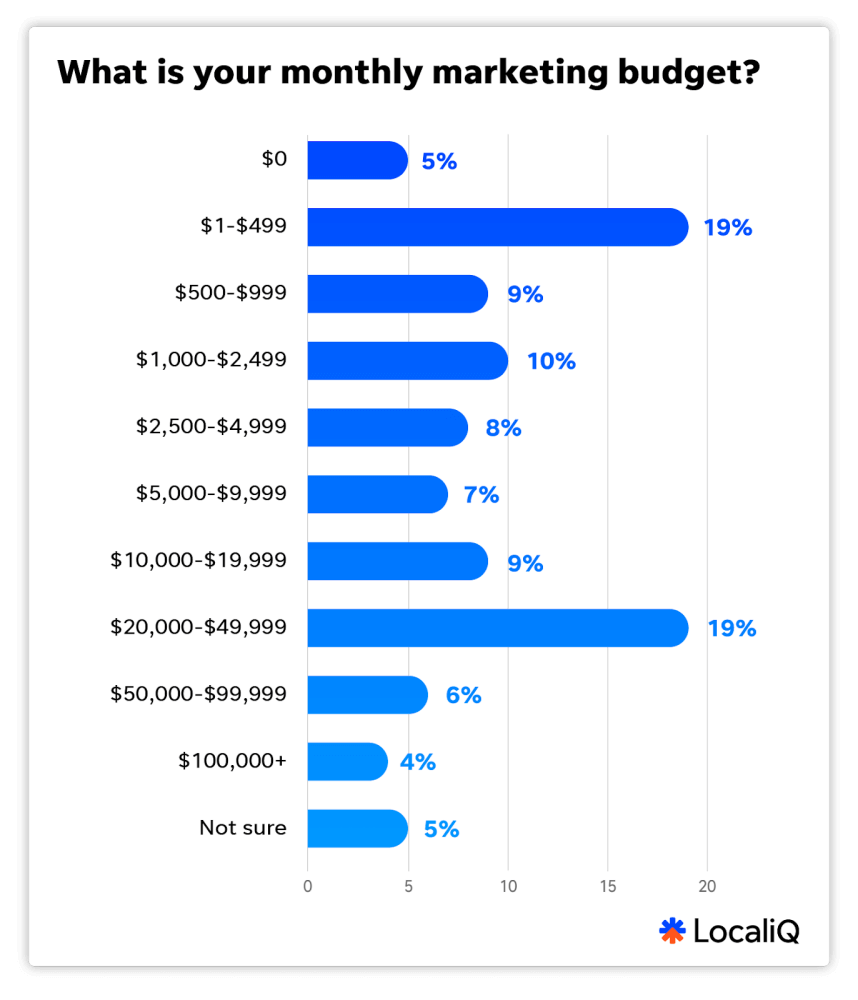
Over 730 small business owners and marketers revealed what’s working, what’s not, and where they’re headed in 2025. This first-of-its-kind trends report is packed with actionable insights on budgets, marketing channels, AI adoption, and SMB priorities in the year ahead.
Key Details
Why It Matters
This report uncovers where small businesses are succeeding — and where they’re missing out. From underinvested search tactics to AI-powered workflows, there’s a clear roadmap for maximizing marketing impact in 2025. Whether you’re a small business or serve them, these insights are a strategic edge.
Quick Overview
Node.js 18 will officially reach End-of-Life (EOL) on April 30, 2025, meaning no more security updates or fixes. Developers and teams should begin migrating to Node.js 20 (current LTS) or explore Node.js 22, the newest release packed with performance boosts and new features.
Key Details
Why It Matters
Using an unsupported Node.js version can expose apps to security risks and compatibility issues. Migrating now ensures stability, access to the latest features, and optimal performance. If you’re running Node 18, it’s time to test and transition — your dev stack will thank you later.
Quick Overview
Starting April 24, 2025, Apple will require all new app submissions to the App Store to be built using Xcode 16 or later and the latest SDKs — including iOS 18, iPadOS 18, and more. This move is part of Apple’s ongoing push to keep the ecosystem modern, secure, and aligned with platform advancements.
Key Details
Why It Matters
This update ensures apps align with Apple’s latest privacy and performance standards, especially as support expands globally for features like default app settings. Developers not yet using the latest SDKs will need to update their toolchains ASAP to avoid disruption in release pipelines.
In a week full of updates and transitions — from SDK shifts to smarter ad tools — one thing’s clear: staying proactive is the new competitive edge. Whether you’re managing campaigns, launching new apps, or just trying to make sense of evolving platforms, there’s power in being informed and prepared.
At TechArk, we help businesses stay ahead of evolving tech trends — whether that means optimizing your digital advertising, modernizing your web and app platforms, or integrating automation and AI tools to boost efficiency. From custom development to smart marketing strategy, we’re here to build digital solutions that grow with you.